
The past week has been marked by several noteworthy developments that highlight the paradigm shift in India’s economic landscape. From the overwhelming response to IPOs to the surge in gold and silver purchases during Dhanteras-Diwali, these trends underscore the growing affluence and purchasing power of Indian consumers. I attempted to delve deeper into these trends and explore the underlying human emotions that are driving them.
The IPO Frenzy: A Symptom of Abundant Liquidity
The primary market has been abuzz with excitement as investors have flocked to IPOs, subscribing to them at multiples of their issue price. This frenzy reflects the abundant liquidity in the Indian economy, with individuals and institutional investors alike eager to deploy their funds. The recent IPOs of IREDA and TATA Technologies, which were oversubscribed by over 38 and 20 times respectively, are prime examples of this enthusiasm.
Gold and Silver: A Symbol of Prosperity and Investment
The Dhanteras-Diwali period witnessed a surge in gold and silver purchases, with Indians reportedly buying an estimated 41 tons of gold and 400 tons of silver jewelry and coins. This buying spree highlights the deep-rooted cultural significance of gold and silver in India, as well as their perceived value as an investment asset. The success story of Tanishq, a branded jewelry retailer, further underscores the growing preference for hallmarked jewelry among Indian consumers.
Emerging Trends in Retail: Leveraging Niches and Emotions
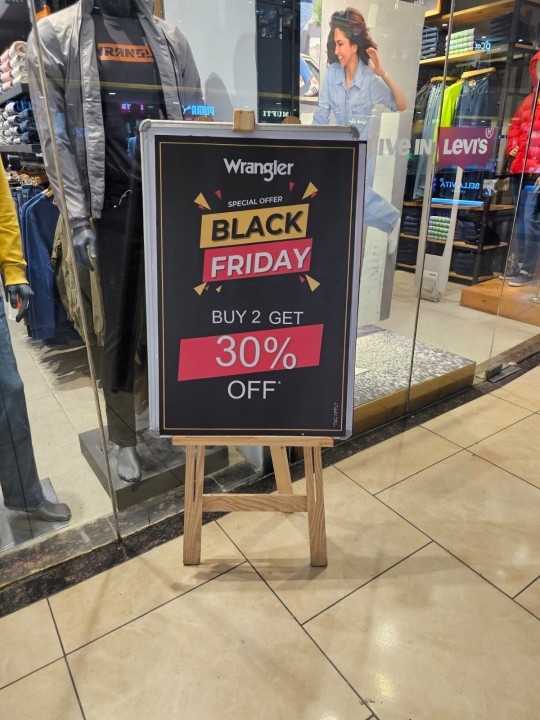
While festive occasions have traditionally driven retail sales in India, recent trends suggest that retailers are increasingly targeting specific consumer segments and leveraging non-traditional events to boost sales. The adoption of Black Friday and Cyber Monday sales, events that originated in the US, is a case in point. These events, coupled with Halloween-themed promotions, indicate a growing understanding of consumer preferences and a willingness to adapt to evolving trends.
Decoding the Human Emotions Behind Consumer Behavior
The recent surge in consumer spending can be attributed to a combination of factors, including rising disposable incomes, aspirational lifestyles, and targeted marketing campaigns. However, at the core of these trends lie fundamental human emotions such as desire, belonging, and fear of missing out (FOMO).
- Desire: The growing affluence of India’s middle class has fueled a desire for better quality goods and services. This desire is amplified by the constant exposure to aspirational lifestyles portrayed through media and social media.
- Belonging: The need to belong to a social group or community plays a significant role in consumer behavior. The purchase of branded products, for instance, can serve as a means of signaling social status and acceptance.
- Fear of Missing Out (FOMO): The fear of missing out on the latest trends and experiences is a powerful motivator for consumer spending. This emotion is often exploited by marketers who create a sense of urgency and exclusivity around their products and services.
Conclusion: A Glimpse into the Future of Indian Retail
The trends discussed in this blog post provide valuable insights into the evolving consumer landscape in India. By understanding the underlying human emotions that drive consumer behavior, retailers can effectively tailor their strategies to capture the attention and spending of India’s burgeoning middle class. As India’s economy continues to grow, one can expect to see further innovation and adaptation in the retail sector, with businesses embracing new technologies and leveraging emerging trends to connect with consumers at a deeper level.
#consumerbehaviour #indianeconomy #retail #advertising #Socialmediaimpact