
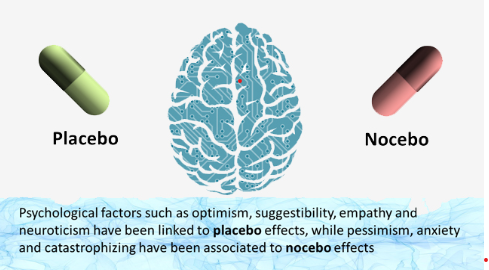
In the vibrant landscape of India’s logistics industry, the role of leaders in third-party logistics (3PL) firms stands as the cornerstone of progress and success. Within this dynamic realm, the growth and evolution of leaders play a pivotal role in shaping the trajectory of these organizations. However, amidst the pursuit of excellence, there exists an often overlooked yet powerful psychological phenomenon called the “Nocebo Effect,” which warrants attention in the realm of leadership development.
The Nocebo Effect, often considered the negative counterpart of the well-known Placebo Effect, refers to the adverse impact on an individual’s mindset and performance due to negative expectations. In the context of leadership within a 3PL logistics firm, this phenomenon manifests when leaders hold onto limiting beliefs, creating self-imposed barriers that hinder their personal and professional growth.
Addressing this phenomenon becomes paramount in fostering an environment conducive to robust leadership development within the Indian 3PL logistics sphere. By recognizing and mitigating the Nocebo Effect, leaders can unlock their full potential, thereby propelling both personal and organizational growth.
Identifying the Nocebo Effect on Leadership
Leaders within 3PL logistics often face multifaceted challenges, including supply chain disruptions, technological advancements, and changing market dynamics. Amidst these challenges, the Nocebo Effect can subtly seep into a leader’s mindset, leading to self-doubt, fear of failure, and resistance to change.
For instance, a leader might hold the belief that implementing new technologies will lead to system failures, thus hesitating to adopt innovative solutions. Similarly, a fear of taking calculated risks due to potential negative outcomes can impede proactive decision-making, thereby hindering progress.
Overcoming the Nocebo Effect on Leadership Growth
Combatting the Nocebo Effect demands a concerted effort to reframe mindsets and cultivate a culture of positive thinking and continuous learning:
Cultivating a Growth Mindset: Encouraging leaders across the firm’s spectrum, to embrace challenges as opportunities for growth and learning can transform their perspective. Leaders should view setbacks as lessons, fostering resilience and adaptability in the face of adversity.
Promoting Open Communication: Establishing a culture where junior leaders feel comfortable expressing concerns and seeking support is crucial. Open dialogue facilitates the identification and resolution of underlying issues, reducing the impact of negative expectations.
Embracing Innovation and Adaptability: Encouraging a culture that celebrates innovation and embraces change is pivotal. Leaders must recognize that technological advancements are not threats but enablers for progress, fostering a proactive approach to adopting new solutions.
Investing in Continuous Learning and Development: Providing avenues for realistic, ongoing training and personalized skill development empowers leaders to stay abreast of industry trends, fostering confidence in their decision-making and problem-solving.
The Ripple Effect of Positive Leadership Growth
As leaders break free from the confines of the Nocebo Effect, the positive implications ripple throughout the organization. Enhanced leadership capabilities pave the way for improved employee morale, increased productivity, and heightened innovation within any 3PL logistics firm.
In the terrain of 3PL logistics in India, leaders hold the key to steering organizations towards growth. By recognizing and counteracting the nocebo effect – the negative impact of limiting beliefs – leaders can chart a course that transcends obstacles and propels the firm toward sustainable success. It’s not just about managing operations; rather it’s more about fostering a culture that thrives on adaptability, innovation, and a relentless pursuit of excellence. By fostering a culture of resilience, innovation, and continuous learning, leaders can transcend self-imposed limitations, propelling both personal and organizational success in this ever-evolving industry.